How to Build a Smart Study Routine in 2026: Proven Techniques for Fast Learning
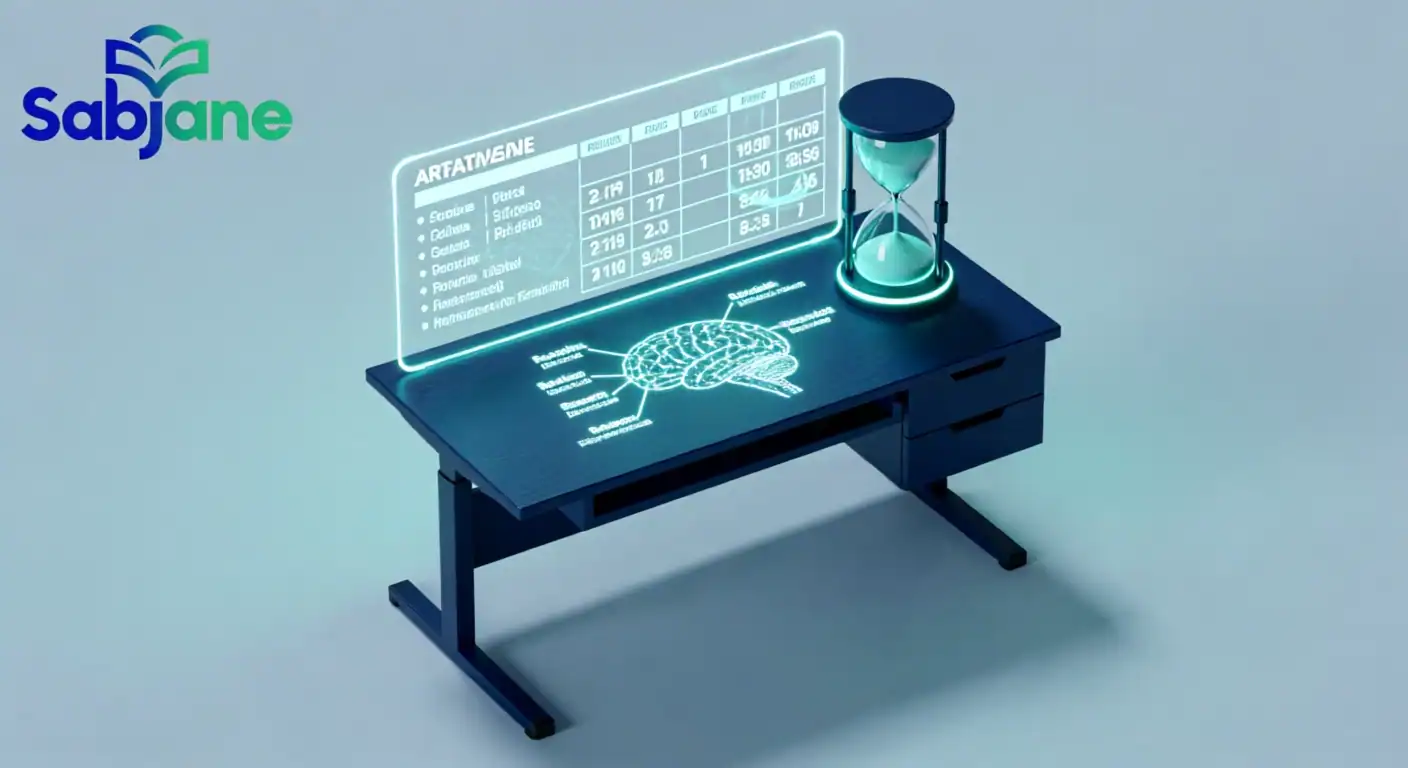
Studying harder without studying smarter often leads to burnout, low retention, and exam anxiety. In an era filled with constant digital notifications and short attention spans, traditional passive reading methods like highlighting textbooks are no longer effective.
To ace competitive exams or master complex subjects, you need a scientifically backed study routine. In this comprehensive guide, we explore evidence-based learning frameworks that maximize retention while saving hours of study time.
1. Ditch Passive Reading: Embrace Active Recall
Simply reading notes repeatedly creates an illusion of competence—you feel like you know the material because it looks familiar, but your brain isn't actively retrieving it.
- **What to Do Inste
! [b3Disometric_visuali] (https://sabjano.com/uploads/20261019-98b80e57fbb063.webp)
ad: ** After reading a topic, close your book and write down everything you remember on a blank piece of paper, or solve practice flashcards.
- Why It Works: Active retrieval strengthens neural connections, making memory recall much faster during actual exams.
2. Spaced Repetition: Defeating the Forgetting Curve
Psychological research shows that humans forget up to 70% of newly learned information within 24 hours if it isn't reviewed.
- The Spaced Schedule: Review your study material at increasing intervals—1 day after learning, 3 days, 7 days, and 21 days.
- Tool Recommendation: Use digital flashcard apps or simple calendar reminders to automate your review cycles.
3. The Modified Pomodoro Technique for Deep Focus
Sustaining focus for 4–5 continuous hours is unrealistic for the human brain. Breaking study sessions into structured focus blocks prevents mental fatigue.
- 50/10 Focus Split: Study with zero distractions (phone in another room) for 50 minutes, followed by a strict 10-minute mental break.
- Break Discipline: During breaks, step away from screens—go for a short walk, hydrate, or stretch.
Smart Study Framework Overview
| Technique | Primary Benefit | Best Used For |
|---|---|---|
| Active Recall | Maximizes long-term retention | Formulae, definitions, complex concepts |
| Spaced Repetition | Prevents memory decay | Vocabulary, historical dates, exam revisions |
| Feynman Technique | Simplifies hard topics | Explaining complex theory to a layperson |
| 50/10 Pomodoro | Eliminates burnout & fatigue | Daily intensive study schedules |
4. Build an Environment That Enforces Discipline
Willpower is a finite daily resource. Instead of relying on motivation, optimize your environment:
- Keep a dedicated, clutter-free study workspace.
- Block distracting websites and social media apps during focus blocks.
- Keep water and basic stationary ready before starting a session to avoid unnecessary interruptions.
Final Thoughts
Consistency beats intensity. Spending 3 focused, high-retention hours every day yields far better results than pulling a stressful 12-hour cramming session right before an exam.
Comments (0)
No comments yet. Share your thoughts below!