How to Manage Side Hustle Income & Taxes in 2026: A Smart Finance Guide
Earning extra income through side hustles, freelancing, or digital content creation has become a popular path to achieving financial independence. However, transitioning from a single salary source to managing multi-stream income brings new financial responsibilities—specifically around tax compliance, cash flow management, and expense tracking.
Without a proper money system, side hustle earnings can easily get swallowed by personal expenses or result in surprise tax bills at year-end. In this detailed guide, we break down a structured financial framework to manage your side hustle income efficiently in 2026.
The Golden Rule: Separate Personal and Business Finances
The most common mistake new freelancers and side hustlers make is mixing business revenue with personal savings accounts. This creates accounting confusion and makes tax deductions difficult to verify.
- Open a Dedicated Business/Savings Account: Route 100% of client payments, ad revenue, and gig payments into a single dedicated bank account.
- Pay Yourself a Fixed Draw: Transfer a fixed monthly amount from your business account to your personal account. Treat yourself as an employee of your own hustle.
4-Step Money Management Framework for Freelancers
Step 1: Set Aside 20% to 30% for Taxes Immediately
Unlike salaried jobs where tax is deducted at source (TDS), freelancing income requires self-directed tax planning.
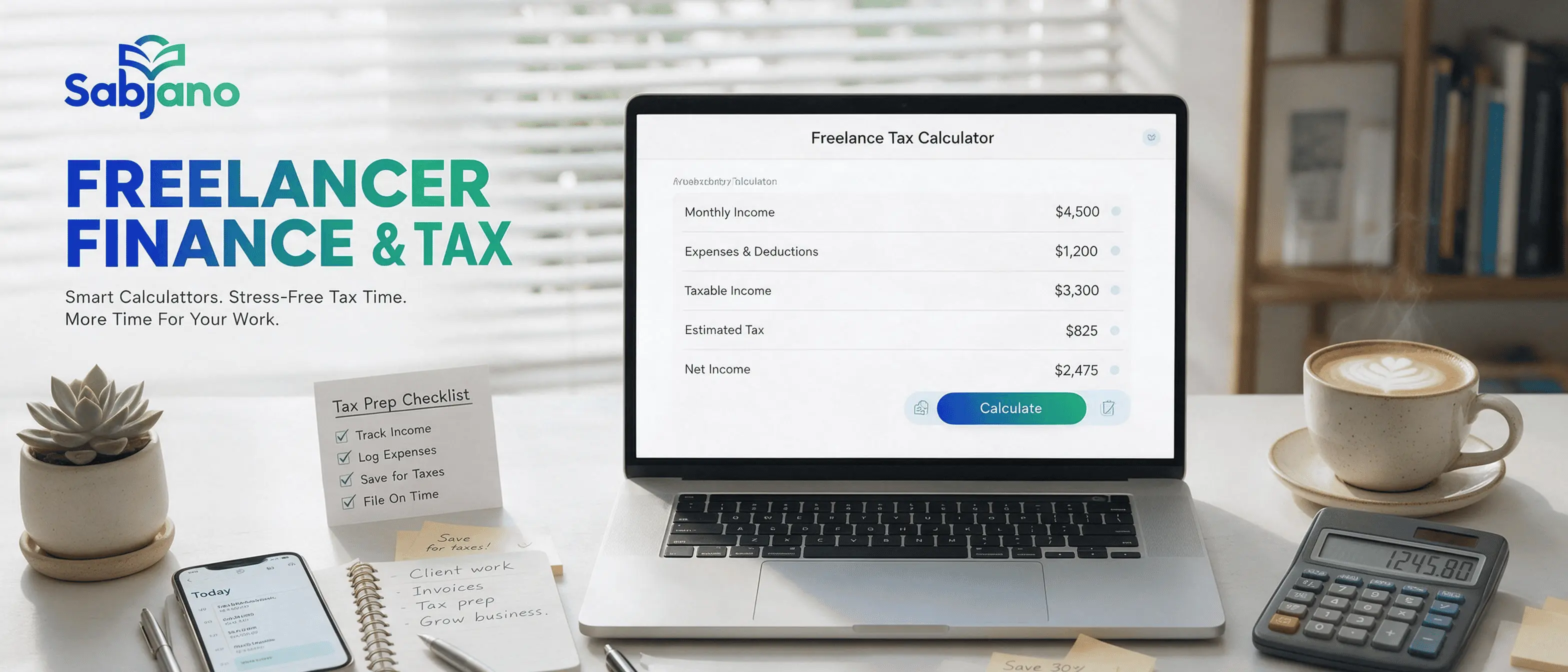
- The moment a client invoice gets paid, immediately transfer 25% of that payment into a separate High-Yield Tax Reserve Account.
- Never use this reserve for daily expenses or luxury purchases.
Step 2: Track Tax-Deductible Business Expenses
Lowering your legal taxable income is key to preserving hard-earned profits. Keep digital invoices for valid business operations:
- Hardware & Software: Laptops, internet bills, subscriptions (SaaS tools, hosting, design software).
- Workspace & Travel: Home office equipment, client meeting expenses, and professional development courses.
- Payment Processing Fees: Platform fees charged by PayPal, Stripe, or freelance portals.
Step 3: Build a 3-Month Business Operating Reserve
Variable income requires a stronger safety net than standard employment. Aim to keep at least 3 months of basic business operating expenses plus your personal minimum draw in your secondary reserve account. This buffers against slow months or delayed client payments.
Step 4: Automate Wealth Investing
Once your tax reserve is set aside and operational costs are covered, allocate 20% of net side hustle profits into long-term investments like low-cost index funds, equities, or emergency funds.
Freelancer Tax Strategy Comparison
| Category | Sole Proprietorship / Individual | Presumptive Taxation Scheme |
|---|---|---|
| Record Keeping | High — requires detailed receipt logs | Low — simplified percentage basis |
| Ideal For | High overhead expenses (e.g., e-commerce) | Low overhead services (coders, writers, consultants) |
| Audit Risk | Standard | Minimal if under statutory turnover limits |
Final Thoughts
A side hustle should build your long-term wealth, not add financial stress. By separating bank accounts, setting aside taxes on payday, and tracking legitimate expenses, you turn casual gig income into a professional, profitable business.
Comments (0)
No comments yet. Share your thoughts below!