The 50/30/20 Rule Decoded: How to Build a Foolproof Budget in 2026

Managing personal finances often feels overwhelming when there is no structured system in place. Many people attempt strict, restrictive budgets that cut out all enjoyment, leading to burnout and financial abandonment within weeks.
A sustainable money management framework should balance current living standards with future wealth creation. In this detailed guide, we decode the legendary 50/30/20 budgeting rule and how to adapt it for financial stability in 2026.
What is the 50/30/20 Rule?
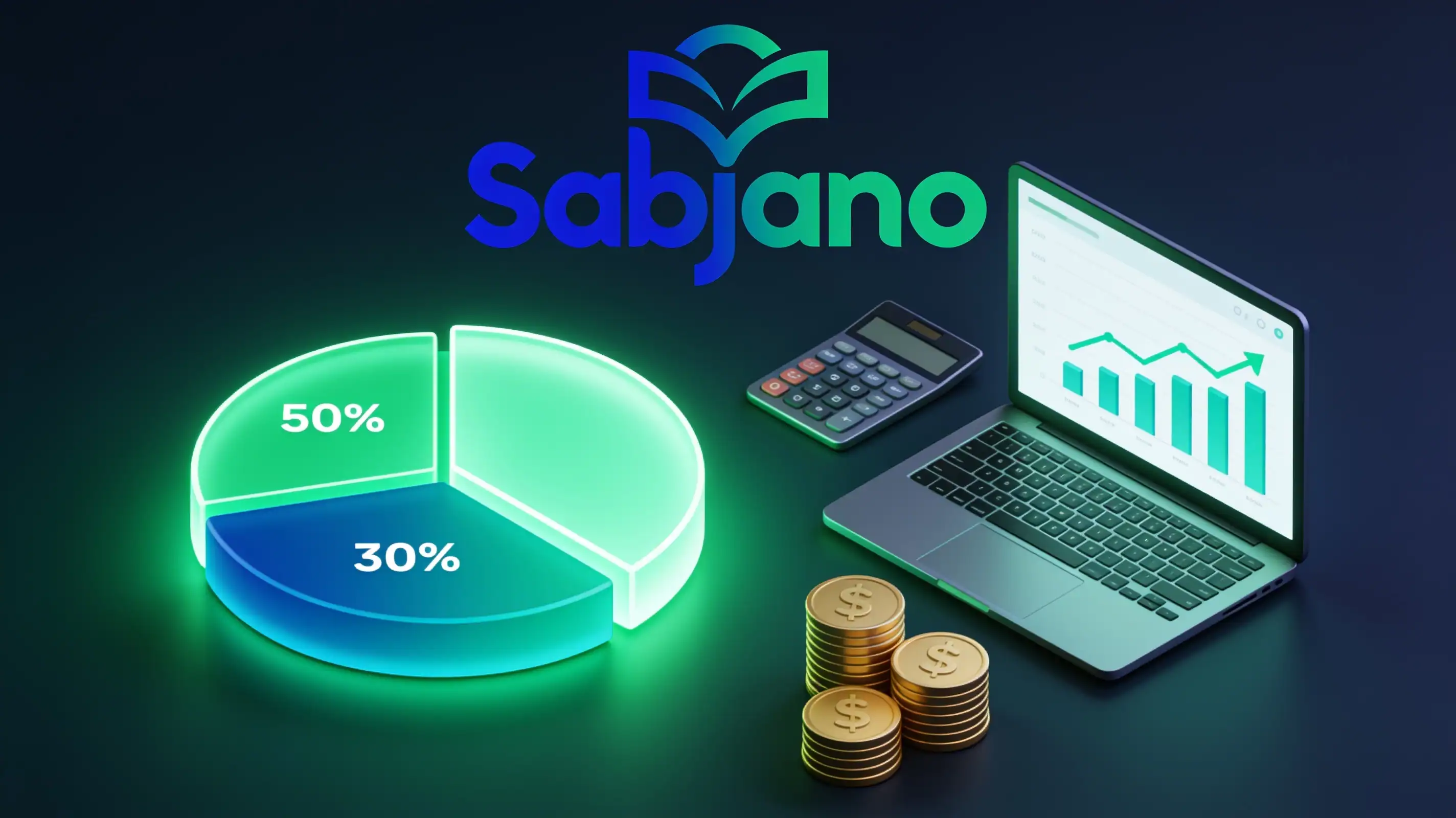
Popularized by financial experts, the 50/30/20 rule simplifies monthly income allocation into three clean buckets based on your net after-tax earnings:
- 50% for Needs: Essential living expenses required for survival.
- 30% for Wants: Lifestyle choices, entertainment, and personal desires.
- 20% for Savings & Debt Payoff: Future financial security and wealth building.
Breaking Down the Three Core Buckets
1. The 50% Bucket: Essential Needs
These are non-negotiable expenses that you must pay regardless of lifestyle choices:
- Housing rent or home mortgage payments
- Basic grocery bills and utility utilities (electricity, water, internet)
- Health insurance premiums and minimum loan EMIs
- Essential transportation costs for work
2. The 30% Bucket: Personal Wants
Life is meant to be enjoyed. This category covers discretionary spending that enhances your quality of life:
- Dining out, weekend getaways, and coffee shop visits
- Subscription streaming services (Netflix, Spotify, etc.)
- Shopping for clothing, hobbies, and gadgets
3. The 20% Bucket: Savings & Wealth Building
This is your financial future engine. Money directed here compounds over time:
- Building your emergency fund (High-Yield Savings Accounts)
- Investing in index funds, retirement accounts, or mutual funds
- Paying down high-interest consumer debt above minimum requirements
Quick Monthly Budgeting Example
| Income Percentage | Allocation Category | Example (on ₹50,000 / $3,000 monthly net income) |
|---|---|---|
| 50% | Needs (Rent, Groceries, Bills) | ₹25,000 |
| 30% | Wants (Dining, Entertainment) | ₹15,000 |
| 20% | Savings & Investments | ₹10,000 |
Practical Steps to Implement Today
- Calculate Your Net Take-Home Pay: Use your exact monthly bank credit after taxes and deductions.
- Audit Last Month's Bank Statement: Categorize your previous expenses to see where your money currently leaks.
- Automate Transfers: Set up automatic bank transfers on payday so your 20% savings bucket is filled before you get a chance to spend it.
Final Thoughts
Budgeting isn't about restriction—it is about intentional allocation. By adopting the 50/30/20 framework, you ensure your daily needs are covered, your lifestyle is enjoyed, and your future wealth is secured automatically.
Comments (0)
No comments yet. Share your thoughts below!