How to Build a High-Converting Portfolio in 2026 (Even With Zero Experience)
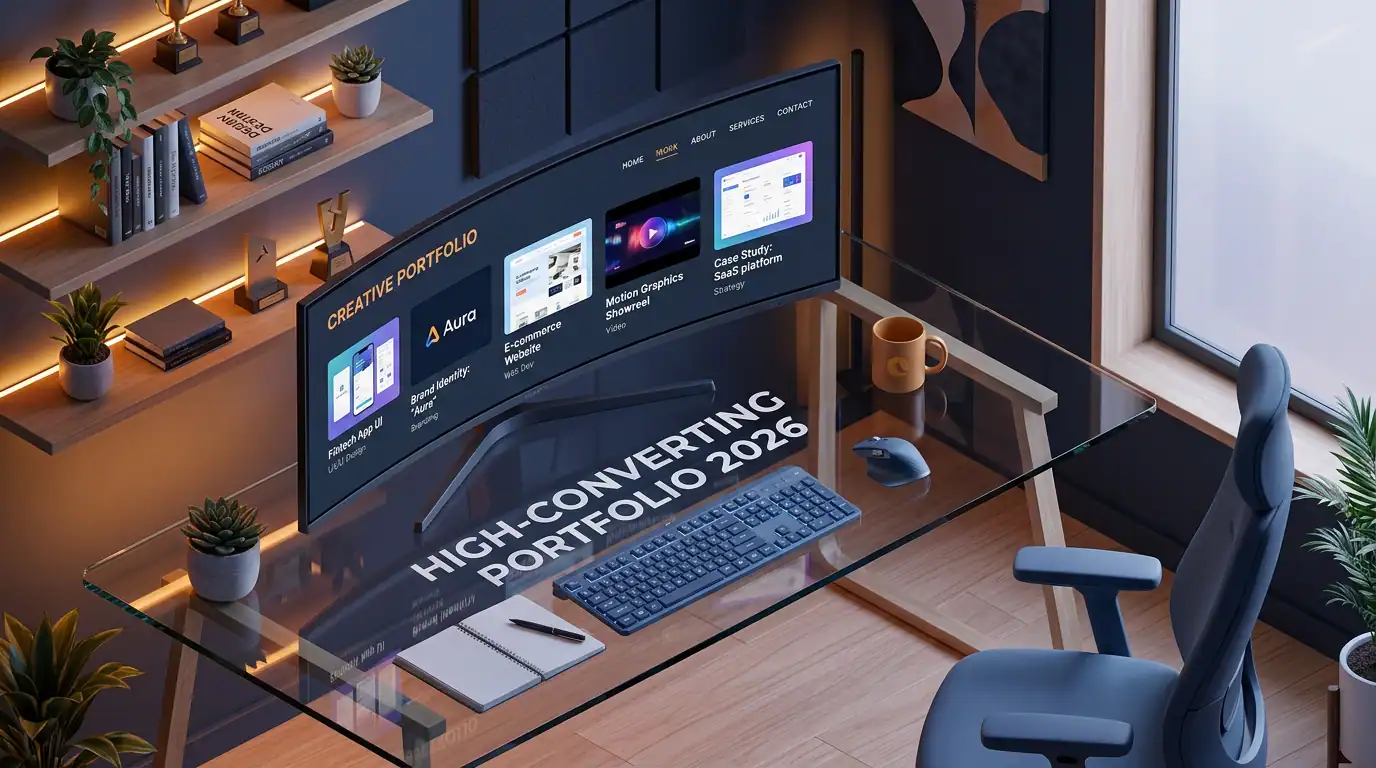
Let’s face a frustrating reality about the modern job and freelancing market: sending out hundreds of traditional PDF resumes rarely gets you noticed anymore. Whether you are applying for a software engineering role, a digital marketing position, or pitching freelance clients, recruiters and hiring managers are flooded with identical, keyword-stuffed resumes every single day.
When everyone claims to be a "hardworking team player with strong problem-solving skills," claims alone lose their value. What actually gets you hired or lands high-paying freelance contracts in 2026 is proof of work.
A well-structured personal portfolio doesn't just list what you know—it demonstrates what you can actually build, solve, and deliver. And the best part? You don't need five years of corporate job history to create one. Here is a practical, step-by-step blueprint to building a portfolio that turns visitors into interviews and paying clients.
Why Traditional Resumes Are Losing Ground to Portfolios
A resume is a static summary of your past; a portfolio is a live demonstration of your capability. Think about how a busy hiring manager or startup founder reviews candidates:
- They spend less than 15 seconds scanning a resume.
- If you include a clean link to a live project or case study, they immediately click it to see how you think and execute.
- Seeing a functioning web app, a real SEO audit breakdown, or a clean UI redesign builds instant trust that ten pages of bullet points never could.
Step 1: Curate 3 Strong Projects Over 15 Mediocre Ones
One of the biggest mistakes beginners make is cluttering their portfolio with every small tutorial project they ever followed. Nobody wants to see another basic calculator app, a generic weather widget, or a copy-pasted to-do list.
Instead, focus on 3 deep, realistic projects that solve actual problems:
- The Problem-Solver Project: Build something tailored to a real-world workflow (for example, an expense tracker tailored for freelancers, an automated invoice generator, or a local business booking system).
- The Redesign / Optimization Case Study: Pick an existing, poorly designed local website or slow web app, rebuild or optimize it, and document the before-and-after metrics (e.g., improving page load speed from 4.5 seconds down to 1.1 seconds).
- The Domain-Specific Tool: Create a tool or resource specifically built for the industry you want to work in—showing recruiters that you understand their business niche, not just technical syntax.
Step 2: Tell the Story Behind the Work (Case Study Format)
Simply dropping a GitHub repository link or a screenshot isn't enough. Non-technical founders and HR managers won't read through raw source code to figure out why your project matters. Frame each project as a clear, concise story:
- The Problem: What specific pain point or business bottleneck were you trying to solve?
- Your Approach & Stack: Why did you choose specific tools, frameworks, or strategies over alternatives?
- The Challenges Faced: Mention one real technical or logical roadblock you hit during development and how you debugged or resolved it. This proves authentic hands-on experience.
- The Outcome / Result: Share live metrics, performance improvements, or user feedback.
Resume vs. Proof-of-Work Portfolio Comparison
| Evaluation Factor | Traditional Text Resume | Proof-of-Work Portfolio |
|---|---|---|
| Trust & Credibility | Low (Unverified claims) | High (Live, verifiable execution) |
| Recruiter Engagement | 10–15 second skim | 2–4 minutes of active exploration |
| Beginner Friendliness | Difficult without job titles | Ideal for self-taught & career switchers |
| Client Conversion | Weak for freelance pitching | Directly proves ROI to clients |
| Search Visibility | Invisible on Google | Ranks organically for your name & niche |
Step 3: Design for Clarity, Speed, and Mobile Devices
Your portfolio website itself is your very first work sample. If your portfolio takes six seconds to load, has broken navigation links, or looks cluttered on a smartphone screen, visitors will close the tab immediately.
Essential Elements of a Clean Portfolio Homepage:
- A Clear Above-the-Fold Hook: Within three seconds of landing on your page, a visitor should know who you are, what specific problem you solve, and how to contact you (e.g., "Full-Stack Developer building fast, scalable web applications for growing startups").
- Frictionless Navigation: Keep your menu simple—Work/Projects, About, and Contact. Avoid distracting background animations or auto-playing audio.
- Direct Call-to-Action (CTA): Make it effortless to reach you. Include a clean contact form, a direct email address (with a one-click copy button), and links to your active GitHub, LinkedIn, or professional profiles.
Step 4: How to Get Real Experience Before Your First Job
If you feel stuck because you have zero client work to showcase, create your own opportunities this month:
- Help a Local Business or NGO: Reach out to a local clinic, coaching center, or small shop in your city and offer to build or modernize their web presence or digital workflow for free or a small fee in exchange for a testimonial and permission to feature the work.
- Contribute to Open-Source or Public Communities: Fix documentation bugs, improve UI accessibility, or answer technical questions consistently on developer forums. Documenting your problem-solving journey publicly acts as living proof of expertise.
- Write Technical Breakdowns: Publish short, practical articles explaining how you solved complex problems. Writing clearly shows strong communication skills—something remote teams value just as much as technical talent.
Final Thoughts
You don't need permission from a recruiter to start building your career track record. Pick one real problem this week, build a clean solution around it, document your thought process honestly, and publish it on your own domain. When you shift from asking for opportunities to demonstrating clear value, the right jobs and clients start coming to you.
Comments (0)
No comments yet. Share your thoughts below!